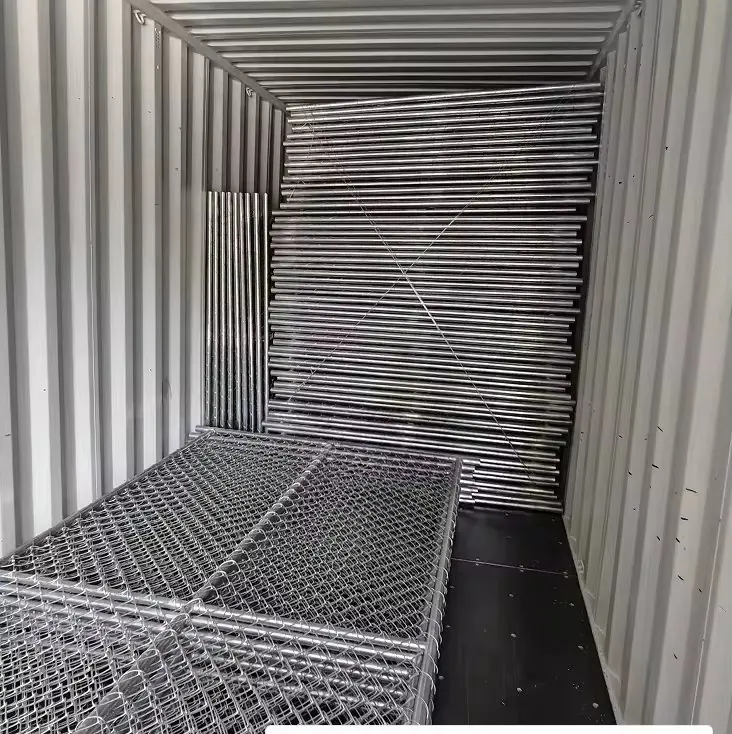
Packing and Loading
Why Packing Details Matter for Fence Panels and Mesh Rolls
For temporary fence panels, fiberglass mesh and other bulky mesh products, packing can change handling, loading and quotation assumptions.
Many wire mesh inquiries focus on the product size and price first. That is understandable, but packing can affect whether the order arrives in a practical form for warehouse receiving, resale, jobsite use or container unloading.
Temporary Fence Panels Need More Than Panel Size
A fence panel quotation may include panel size, frame tube, wire diameter, mesh opening and finish. But the buyer should also confirm feet, clamps, stacking method and accessory packing. If panels are for resale or repeated project use, packing consistency can matter as much as the panel itself.
Fiberglass Mesh Rolls Need Roll and Carton Details
Fiberglass mesh requests usually include roll width, roll length, mesh weight, aperture, coating and color. Packing may involve cartons, woven bags, pallet stacking, labels or private packaging requirements. These details should be discussed before a final quotation when they affect order handling.
Destination Can Change the Packaging Discussion
Different markets may have different label, pallet, document or unloading expectations. Destination country, port and quantity help a supplier review whether the packing method is practical for the order.
Photos Help Align Expectations
If the buyer has used a previous packing method successfully, sending photos is useful. A simple packing photo can clarify stacking direction, pallet height, carton style, bundle count or accessory grouping more quickly than long text.
What to Send Before Packing Is Quoted
- Product type, size and quantity.
- Accessory details, such as fence feet and clamps if required.
- Preferred roll, carton, pallet, bundle or bulk loading method.
- Label, mark, document or warehouse handling requirements.
- Destination country, port and delivery schedule if known.
Ask INDUX MESH